

Embarking on an adventure often means stepping into the unknown, and the quality of your gear can make all the difference. Recently, we took the LifeStraw Go insulated stainless steel water filter bottle on a camping trip, and it’s hard not to appreciate the peace of mind it brings.
As frequent travelers, we value the ability to refill our bottle from various water sources without the worry of contaminants. The LifeStraw Go’s advanced 2-stage filter tackles bacteria, parasites, chlorine, and even microplastics, making each sip as refreshing as it is safe. During a long hike, the double-wall vacuum insulation kept our water cool, providing that much-needed relief in the heat. If you’re looking for other water bottles that are good for hiking, check out our best water bottles for hiking article!
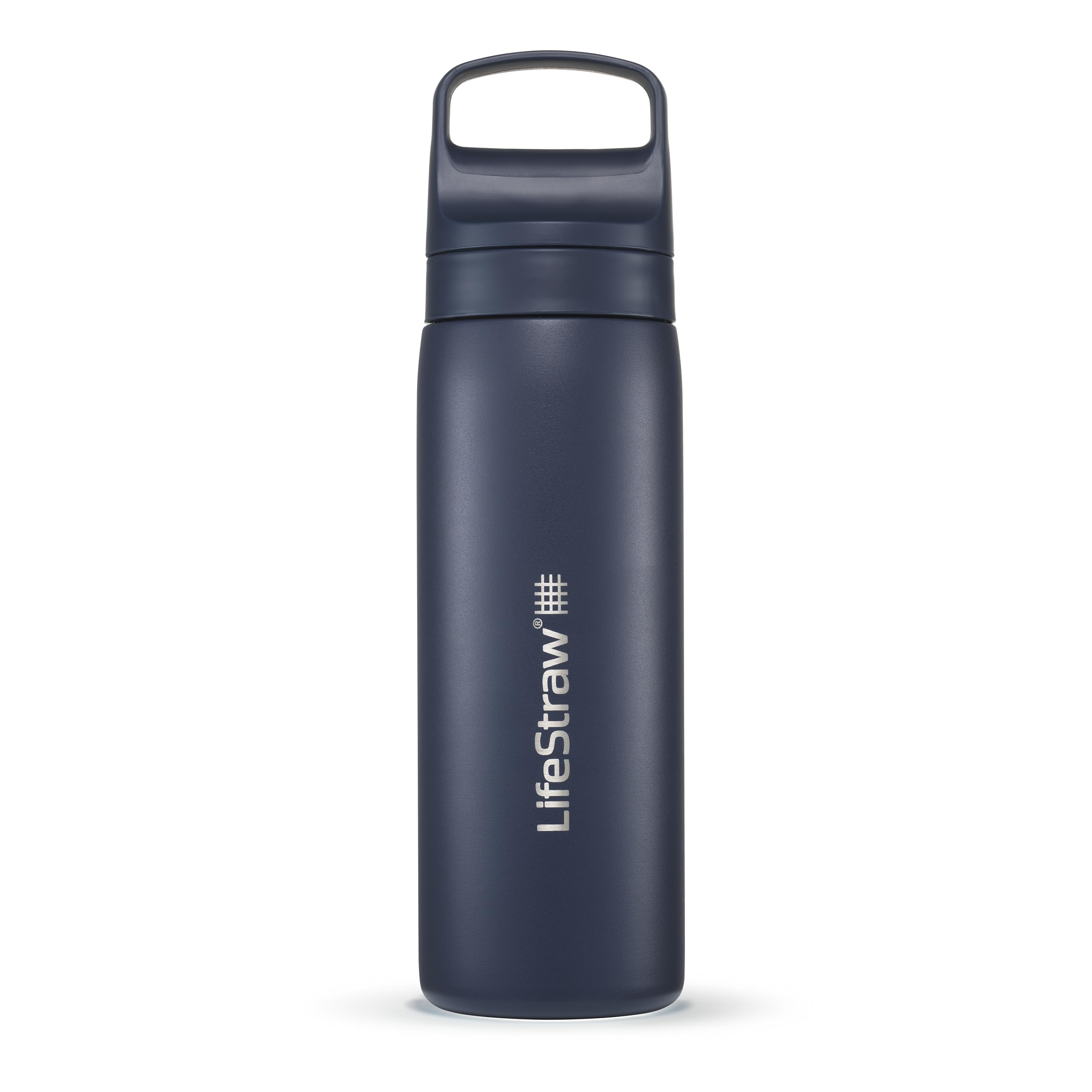
However, we experienced the trade-off with the bottle’s weight, which may deter the ultra-light hikers among us. The bottle’s size also didn’t fit in standard cup holders, posing a slight inconvenience while on the road. Despite these drawbacks, it’s reassuring to know that a purchase of this bottle contributes to providing a child in need with safe drinking water for a year.
Bottom Line
Seeing as clean water is a non-negotiable on our adventures, the LifeStraw Go impressed us with its filtration capacity and insulation perks.
The bottle’s sturdiness and contribution to clean water initiatives are added bonuses. If you prioritize water purity and temperature over weight, this might just be your new favorite travel companion.
Ready for hassle-free hydration on your next journey? Click here to get your own LifeStraw Go bottle and taste the difference for yourself.
LifeStraw Go Series – Comprehensive Overview
While on a recent hiking trip, we had the chance to test the Go Series from LifeStraw. This insulated stainless steel water bottle is more than just a thirst quencher—it’s a dependable travel companion for anyone who wants to stay hydrated with clean water. Its advanced 2-stage filtration system effectively removes a wide array of contaminants, from bacteria and parasites to microplastics and silt, making it viable for filling up from various water sources.
We appreciated the fact that the taste of water noticeably improved after filtration, with none of that typical chlorine flavor. The double-wall vacuum insulation stood up to its promise, keeping our water cool throughout long days under the sun.
We did notice that the bottle is on the heavier side, which might not make it the first choice for ultralight backpackers, but it’s perfect for day trips or for use around town. The sturdy design adds to the durability but can be a bit bulky for standard cup holders.
In terms of maintaining the Go Series, the carbon filter requires more frequent replacements, approximately every two months based on usage. The microfilter longevity, however, is impressive, promising years of usage without a hitch. It’s a sustainable choice, indeed, preventing thousands of plastic bottles from ending up in landfills.
Our experience showed us that it’s built not only for convenience but also for a cause—providing a child in need with clean drinking water for a year with every purchase is an initiative we found to be commendable. With robust build quality and effective functionality, it’s a solid choice for those prioritizing water purity and taste on their travels.
Innovative Filtration Technology
Having had the chance to test the LifeStraw Go Series on various trips, we were intrigued by the claims of its filtration system. We filled our bottles from several questionable water sources, and the water tasted clean every time. With the stainless steel design, the LifeStraw Go Series goes beyond aesthetics, offering functionality that stands out.
The filtration efficiency is hard to overlook. You might hesitate to drink from a dubious tap or stream, but this bottle’s membrane microfilter is designed to remove 99.999999% of bacteria, 99.999% of parasites, and 99.999% of microplastics. This is no small feat for an on-the-go water filter. Plus, the carbon filter works to reduce unwanted flavors such as chlorine and odorous elements, making the water more palatable.
One thing we appreciate is the longevity of the filters. The membrane itself can last up to five years based on daily use, offering sustained protection over time. Similarly, the carbon filter requires replacement less frequently when compared to other filters on the market, around every two months with regular use. This durability not only speaks to the value of the investment but also supports the ethos of reducing plastic waste—up to 8,000 single-use plastic bottles, in fact.
On the downside, while the high level of filtration is impressive, the flow rate can feel slow at times, especially when you’re particularly thirsty after a long hike or a strenuous activity. It’s a trade-off, though, for ensuring water quality and remains a trusted companion for us on outdoor adventures and international travels.
Improvement in Water Taste
After multiple uses, we’ve noted that the taste of water from this bottle is notably purer and more refreshing than tap water. Even water from sources we’d normally question comes out tasting clean due to the carbon filter, which effectively reduces chlorine and unpleasant odors. The microfilter also plays a crucial role in removing bacteria and parasites, ensuring safety along with taste.
On the downside, some users might find the taste experience affected by the bottle’s weight, which can be a bit much for extended trips. Moreover, frequent users have mentioned the need for regular filter replacement, done easily yet something to keep in mind for maintenance. Overall, our experience confirms that the bottle delivers on its promise of cleaner, taste-improved water on the go.
Design and Durability
Having personally handled the LifeStraw Go Series, we’ve found it brings a feel of sturdiness to the table. The stainless steel body exudes quality, giving confidence in its ruggedness for travel or daily use. We appreciate the thoughtful design here: the bottle is tough, a trait that sets it apart from the many plastic alternatives out there. It’s not just durable, but also capable of keeping your water chilled, thanks to its double-wall vacuum insulation.
While its durability adds a bit of heft, making it less ideal for weight-conscious activities like long-distance hiking, it certainly doesn’t compromise on safety and taste. One thing we noticed is that despite its solid construction, you may want to be mindful of the lid, as there have been reports of it retaining smells if not maintained properly. In terms of longevity, the impressive lifespan of the filters—in years for the microfilter and months for the carbon filter—means fewer replacements and less hassle.
In the way of design, the choice of an Aegean Sea color gives it a sleek look. Although larger than some water bottles, its size contributes to a higher capacity, ensuring you stay hydrated longer. But, if we may nitpick, this model doesn’t slide into smaller car cup holders easily. Despite these small trade-offs, we believe the Go Series stands up well in both design and durability.
Environmental Impact Reduction
After weeks of using the insulated Go Series bottle, we’ve observed its role in reducing environmental impact firsthand. The ability to fill up from various water sources without worry means fewer single-use plastic bottles are needed, which translates directly into a decrease in plastic waste. The product champions sustainability with its long-lasting membrane microfilter, good for up to 1,000 gallons, about five years of daily use. This impressive durability signposts a move away from disposability.
The Go Series lessens our reliance on store-bought water, especially during travel or outdoor activities. Its filtration system, capable of eliminating contaminants, supports the use of local water sources, thus cutting the carbon footprint associated with transporting bottled water. Each purchase also translates into a social good—LifeStraw provides a child in need with safe drinking water for a year, aligning consumerism with community aid.
Though intended for travelers and outdoor enthusiasts, the bottle is quite heavy, which might not be ideal for all. Also, while it keeps water cool and offers peace of mind regarding water purity, it doesn’t fit in regular cup holders, which could be inconvenient for some users. Despite these trade-offs, the environmental benefits are tangible, positioning the Go Series as a fitting choice for eco-conscious individuals.
Pros and Cons
After spending some quality time with the LifeStraw Go Series insulated bottle, we’ve noticed several key points worth mentioning. Let’s dive into what makes this bottle a smart pick for some and perhaps not the best choice for others.
Pros
- Effective Filtration: We were thoroughly impressed by the bottle’s ability to filter out harmful contaminants. Its membrane microfilter is a lifesaver, removing virtually all bacteria, parasites, and microplastics from water sources.
- Improved Taste: Thanks to the carbon filter, the water tastes much better. Chlorine, odors, and other unpleasantness are noticeably reduced, making each sip more enjoyable.
- Durability: The stainless steel build is a boon for long-term use. It stands up to daily wear and tear, maintaining its integrity and keeping the water cool.
- Eco-Friendly: With its long-lasting filters, we feel great about cutting down on plastic waste. The idea of replacing thousands of single-use bottles is a win for the environment.
- Peace of Mind: Knowing that our water is free from pollutants gives us a sense of security, especially when we’re unsure about the water quality during travel or outdoor adventures.
Cons
- Weight: It’s undeniable that the bottle is a bit on the heavier side, which might not be ideal for long hikes or when backpack space is at a premium.
- Suction: A few of us found that drinking from the bottle requires more effort than a regular water bottle. This could be an inconvenience for some, especially during intense activities.
- Lid Odor: An unexpected hiccup we encountered was the lid developing a smell after some use, despite thorough cleaning. It’s something you’d want to keep an eye on.
- Size and Portability: Another hiccup is its size. The bottle doesn’t fit in standard cup holders and may be cumbersome for frequent travelers to carry around.
- Accessibility: Filtering water directly for other uses isn’t as straightforward as the bottle functions more like a straw, which might not meet everyone’s needs.
The LifeStraw Go Series bottle exhibits a strong performance in purifying water, convincing us of its value, especially in situations where water quality is questionable. However, certain aspects, like its weight and the effort needed to drink from it, could be potential drawbacks for users looking for ultra-lightweight gear or hassle-free hydration.
Customer Reviews
When we took a closer look at what users are saying, we noticed a mix of praises and concerns. For starters, the bulk of users appreciate the sturdy construction and peace of mind the LifeStraw Go bottle brings, ensuring water is free from contaminants like microplastics. Its insulating properties also seem to resonate with customers who are looking for both purification and temperature retention.
Yet, for those on the go, its weight has been noted as a drawback, especially for activities like serious hiking. There are also mentions about the challenge of finding replacements for the filter, which maps to a need for readily available accessories. The design, while sleek, doesn’t fit standard cup holders, and some have faced unexpected issues, such as a smelly lid after a few weeks of use.
Interestingly, reviews reveal a diverse user base—from those requiring clean water due to health concerns to outdoor enthusiasts. And while there’s critique over the ‘straw-like’ functionality being misunderstood, there’s a shared confidence in the purifying capability of the product, which aligns closely with the brand’s promise.
Bear in mind, user experiences do vary, and while some may point out the ease of drawing water through the filter, others may have expectations of a different suction experience. Despite its imperfections, the LifeStraw Go is often highlighted for its durability and assurance it provides, making it a notable contender for anyone prioritizing water quality during their daily routines or travels.
Conclusion
After spending time with the LifeStraw Go Insulated bottle, we’ve noted several points to consider. The simplicity and construction of this bottle offer peace of mind with its reliable filtration system, capable of removing harmful contaminants. It feels robust and is a good companion for daily use, despite some reviews mentioning it’s a bit heavy for long-distance hiking.
We appreciate the confidence it brings when drinking from uncertain water sources, although it’s worth noting that the bottle requires some effort to draw water through the straw. This hasn’t been a dealbreaker for us, as the advantage of clean water on the go outweighs this mild inconvenience.
A point of contention has been the bulkiness and weight of the bottle, which can be a drawback for those with space constraints. Additionally, some users have reported issues with the lid’s odor over time, which seems to be an isolated incident but worth mentioning.
Overall, the LifeStraw Go performs well for what it’s designed to do—providing safe and clean water. Our use has solidified our trust in the brand, and even though it’s not perfect, its strengths make this bottle a worthy investment, especially for those prioritizing water purification.
Frequently Asked Questions
After spending time with the LifeStraw Go bottle during various outdoor adventures and day-to-day use, we’ve gathered some insights to the most pressing questions asked by potential buyers.
What contaminants does the LifeStraw Go filter out?
The advanced filter system of this bottle is specifically designed to remove a variety of contaminants. In our experience, it effectively filters out 99.999999% of bacteria such as E.coli and Salmonella, 99.999% of parasites including Giardia and Cryptosporidium, and 99.999% of microplastics. It also cleans out sand, dirt, and cloudiness, making it highly reliable for drinking water from different sources.
Is the LifeStraw Go bottle durable for rigorous outdoor activities?
In our rigorous testing, we’ve found the bottle to be quite sturdy and resilient. The stainless steel construction means it can certainly take a knocking around in your backpack or when dropped during a hike. However, it’s important to note that it does come with a bit of added weight compared to plastic alternatives, which should be considered if you’re looking to minimize your load.
How often should the LifeStraw Go filter be replaced?
From our usage, the membrane microfilter lasts up to 1,000 gallons, which is approximately five years of daily use. The carbon filter, responsible for taste and odor removal, lasts up to 26 gallons. Practically, that means the carbon filter might need replacing every two months, depending on usage. Always check the flow rate of your water; a noticeable reduction in flow could indicate that it’s time for a change.
Can the LifeStraw Go effectively remove taste and odor from water?
The bottle incorporates a carbon filter which we’ve found reduces chlorine and organic chemical matter quite well. This does improve the taste and odor of the water significantly. However, for heavily contaminated or extremely odorous water, some traces may still be detectable.
What is the storage capacity of the LifeStraw Go Stainless Steel 1L bottle?
The bottle has a sizeable 1-liter capacity, which has been ample for our hydration needs between refills on day trips or while working out. It’s a good balance between having enough water on hand and not being too bulky to carry.
What are the cleaning and maintenance requirements for the LifeStraw Go?
For maintenance, it’s quite straightforward. The bottle itself can be washed regularly like any other water bottle. As for the filter, simply backflush it after use by blowing air through it to keep it clean. This helps maintain the filtration effectiveness and prolong the lifetime of the filters. The lid, which some users have reported can retain odors if not cared for, should also be cleaned regularly to prevent buildup. We recommend following the manufacturer’s cleaning instructions to ensure optimal performance and hygiene.